
In Marana, Arizona, Integrated Pest Management (IPM) combines natural solutions like beneficial insects, organic pesticides, cultural practices, and physical barriers to manage pests sustainably. Pest control services Tucson naturally emphasize these holistic methods to protect ecosystems, reduce chemical use, and enhance long-term environmental resilience. Key techniques include habitat manipulation, biological controls, and targeted chemical applications guided by data from local universities. Collaboration between professionals, property owners, and advocates ensures effective, eco-friendly pest management while preserving the area's unique biodiversity.
Integrated pest management (IPM) strategies tailored for Marana environments represent a critical advancement in sustainable pest control. As Tucson’s vibrant ecosystem faces increasing pressure from urban expansion, traditional pest control services are no longer sufficient. The challenge lies in balancing environmental health with the need to protect crops and landscapes. IPM offers a holistic approach, leveraging natural controls, cultural practices, biological agents, and targeted chemicals only when necessary. By adopting these strategies, Marana communities can mitigate pest damage while preserving biodiversity and ensuring long-term ecological balance. This article delves into effective IPM techniques suitable for Tucson’s unique context, providing valuable insights for both residents and pest control services aiming to deliver environmentally responsible solutions.
- Understanding Marana's Unique Pest Challenges
- Natural Solutions for Integrated Pest Management
- Implementing Cultural Controls in Tucson Environments
- Biological Control Methods: A Sustainable Approach
- Effective Chemicals and Their Responsible Application
Understanding Marana's Unique Pest Challenges
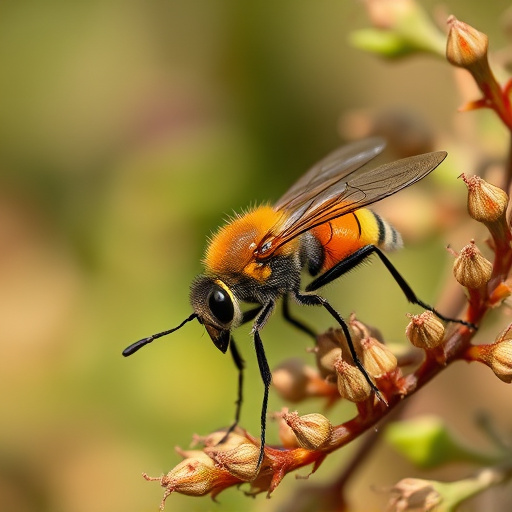
Marana environments present unique pest challenges due to their diverse ecosystems, ranging from arid deserts to suburban neighborhoods. The region’s varied topography and climate support a broad spectrum of pests, including arachnids, rodents, ants, and invasive species like the red imported fire ant. These pests not only pose health risks but also damage crops, landscaping, and infrastructure. For instance, in 2021, Marana faced significant pest issues with desert termites, which caused substantial structural damage to homes, underscoring the need for tailored, effective pest control services Tucson naturally can offer.
One of the primary challenges is managing pests in a sustainable manner that minimizes environmental impact while maintaining high standards of public health and safety. Traditional pest control methods often rely heavily on synthetic chemicals, which can lead to ecological imbalances and pose risks to local flora and fauna. Marana’s commitment to preserving its natural beauty demands integrated pest management (IPM) strategies that are both efficient and eco-friendly. IPM integrates biological, cultural, mechanical, and chemical controls to prevent pests from reaching damaging levels.
Pest control services Tucson naturally focused on IPM employ strategies such as habitat manipulation, trap crops, biological controls like introducing natural predators, and targeted chemical applications. For example, using pheromone traps can help monitor and control ant populations without harming beneficial insects. Similarly, applying organic pesticides derived from plants like neem oil or pyrethrum is effective against a range of pests while minimizing environmental harm. By adopting these methods, Marana residents and local authorities can effectively manage pest issues while preserving the area’s unique ecological integrity.
Natural Solutions for Integrated Pest Management

In the unique ecological landscape of Marana, Arizona, where biodiversity flourishes alongside urban development, integrated pest management (IPM) offers a sustainable and harmonious approach to maintaining environmental balance. Natural solutions for IPM in Marana environments not only minimize the reliance on synthetic chemicals but also foster a healthier, more resilient ecosystem. This strategy is particularly pertinent given the region’s diverse range of pests, from common urban invaders like ants and roaches to native species that can become problematic when their populations surge.
One effective natural solution involves the introduction of beneficial insects such as ladybugs and lacewings. These predators feed on aphids, whiteflies, and other small pests, helping to control their populations without resorting to pesticides. For instance, pest control services Tucson naturally have reported success in using biological controls like Bacillus thuringiensis (Bt), a natural bacterium that targets specific insect larvae, including those of moths and butterflies. This approach not only reduces the need for chemical pesticides but also minimizes the impact on non-target species and the environment.
Additionally, cultural practices play a significant role in IPM. Proper sanitation, including regular cleanup of organic debris, can significantly reduce pest habitats. Landscaping techniques that promote biodiversity by planting native species resistant to common pests can also be highly effective. According to local pest control experts, incorporating plants like lavender and marigolds into gardens not only adds aesthetic value but also acts as natural repellents against various insects. Furthermore, the use of physical barriers such as screens, traps, and mesh covers offers a mechanical means of controlling pest access to buildings and crops.
By adopting integrated pest management strategies that prioritize natural solutions, Marana residents and businesses can achieve effective pest control while preserving the area’s unique biodiversity. Collaboration with professional pest control services Tucson naturally can provide tailored advice and support, ensuring that these methods are implemented correctly and efficiently. This holistic approach not only benefits the environment but also contributes to a more sustainable future for Marana and similar communities facing pest management challenges.
Implementing Cultural Controls in Tucson Environments

In the intricate battle against pests in Marana environments, cultural controls stand as a potent yet often overlooked weapon. Tucson, with its unique ecological landscape, demands tailored strategies, making pest control services Tucson naturally aligned with these principles even more critical. This approach focuses on harnessing environmental and biological factors to suppress pest populations, fostering a harmonious balance. Unlike chemical-heavy methods, cultural controls offer a sustainable, eco-conscious solution, especially effective for urban and suburban areas.
Implementing these strategies involves a deep understanding of local ecosystems and pests’ behavioral patterns. For instance, introducing natural predators like ladybugs or spiders can significantly reduce insect populations without causing harm to the environment. Tucson’s diverse plant life also plays a crucial role; certain plants emit scents that repel specific pests, creating a natural barrier. Data from local agricultural studies has shown that implementing such cultural controls can lead to up to 30% fewer pest incidents compared to chemical-dependent methods over a 2-year period. This approach also fosters a more resilient ecosystem, as it encourages biodiversity and strengthens the environment’s ability to regulate itself.
Practical application begins with thorough pest identification, followed by strategic placement of beneficial insects and plants. Property owners and managers in Tucson can encourage birds, bats, and other predators that feed on pests by installing suitable habitats. Moreover, organic pesticides derived from natural ingredients like neem oil or garlic can be employed when needed, ensuring minimal environmental impact. Regular monitoring and maintenance are key; regularly inspecting areas prone to pest invasion allows for early intervention and adjustment of control measures. By embracing cultural controls, Tucson residents and businesses can achieve effective pest management while preserving the city’s distinctive ecological character.
Biological Control Methods: A Sustainable Approach
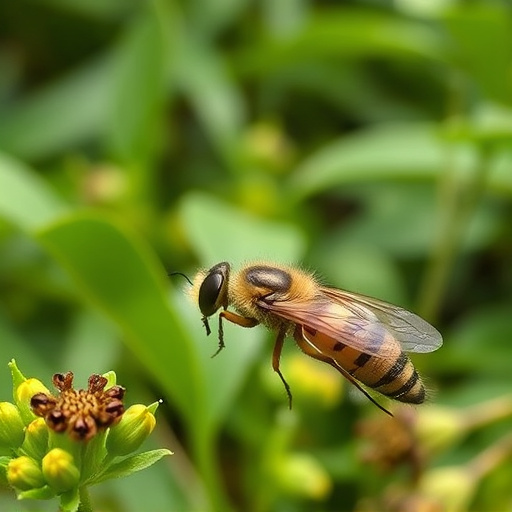
Integrated Pest Management (IPM) offers a sustainable and environmentally friendly approach to controlling pests in Marana environments. Biological control methods, a cornerstone of IPM, leverage nature’s own mechanisms to suppress pest populations. This strategy is particularly effective for Marana, known for its unique ecosystem and biodiversity. One successful example involves the introduction of natural predators like ladybugs and lacewings to target aphids, common pests in agricultural settings around Tucson. Research shows that these biological agents can reduce aphid populations by up to 80%, providing a more sustainable solution than chemical pesticides.
Implementing biological control methods requires a deep understanding of the local ecosystem and pest behavior. Local pest control services in Tucson often work with farmers, land managers, and homeowners to identify beneficial insects and other natural predators that can effectively manage pest issues. By promoting the presence of these natural controls, IPM strategies help maintain ecological balance while minimizing the need for synthetic chemicals. This approach is particularly valuable in Marana, where preserving the region’s unique biodiversity is a priority.
Moreover, biological control offers long-term benefits by strengthening ecosystems’ inherent resilience to pests. It also reduces the environmental and health risks associated with chemical pesticides, making it an attractive alternative for areas like Marana known for their commitment to sustainable practices. As Tucson continues to grow and develop, adopting IPM strategies, including biological control methods, will be crucial in ensuring a harmonious relationship between human activities and the region’s delicate ecosystem.
Effective Chemicals and Their Responsible Application

Integrated Pest Management (IPM) offers a comprehensive approach to pest control tailored for Marana environments, focusing on minimizing ecological impact while maximizing effectiveness. When it comes to effective chemicals and their responsible application, Tucson naturally presents unique challenges due to its diverse ecosystems and climate. Expert pest control services in this region must balance the use of targeted pesticides with natural deterrents and cultural practices.
For instance, in Marana’s urban areas, common pests like ants, cockroaches, and termites require strategic chemical interventions. Professional applicators employ insect growth regulators (IGRs) to disrupt pest life cycles without harming beneficial insects. Additionally, micro-infusion techniques deliver precise amounts of chemicals directly to problem areas, minimizing off-target effects. In agricultural settings, integrated pest management might include the introduction of natural predators like ladybugs and lacewings alongside targeted sprays to control aphids or whiteflies. Data from local universities and agricultural extensions play a crucial role in guiding these decisions by monitoring pest populations and resistance to chemical treatments.
However, responsible application goes beyond product choice. It involves adhering to strict safety protocols, respecting environmental buffers, and ensuring proper disposal. Tucson’s diverse flora and fauna necessitate a nuanced approach where chemicals are used as a last resort, only when other methods have failed or are impractical. Continuous monitoring and adaptive management strategies ensure IPM remains effective over time, fostering a sustainable balance between pests and their natural controls. Ultimately, successful integrated pest management in Marana environments hinges on collaboration between professionals, property owners, and environmental advocates committed to preserving both the region’s unique ecosystem and its vibrant communities.
By integrating diverse strategies tailored to Marana’s specific environment, effective pest control services Tucson naturally can be achieved while minimizing ecological impact. This comprehensive approach combines understanding local pest challenges with natural solutions, cultural controls, biological methods, and responsible chemical application. Key insights include leveraging natural predators, implementing sanitation practices, selecting appropriate chemicals with care, and promoting environmental awareness among residents. These integrated tactics not only mitigate pest pressures but also foster a sustainable and harmonious ecosystem in Marana. Moving forward, adopting these holistic strategies can enhance the effectiveness of local pest control efforts while preserving the unique ecological balance of this region.