Marana's natural ecosystem offers sustainable pest control services through local flora, beneficial organisms, and climate-adapted practices. Holistic approaches like biological, cultural, and physical controls disrupt pest breeding cycles. Residents adopt organic methods, including neem oil, insect introductions, and manual removal, to maintain lush gardens while protecting ecosystems. Data shows integrated pest management reduces chemical usage by up to 50% while preserving plant health. Pest control services Tucson naturally provide an effective, environmentally friendly alternative for Marana residents.
In the pursuit of lush, vibrant gardens and scenic landscapes, Marana residents often face a common challenge: managing pests naturally. As environmental consciousness grows, so does the demand for sustainable pest control services Tucson offers. Traditional methods raise concerns about chemical exposure and ecosystem disruption. This article delves into effective, natural pest control strategies tailored for Marana’s unique landscaping, empowering homeowners and local professionals to cultivate thriving outdoor spaces without compromising ecological balance. Discover practical insights that foster a harmonious relationship between your garden, local wildlife, and the vibrant community of Marana.
- Understanding Marana's Natural Ecosystem for Pest Control
- Identification: Common Pests in Marana Gardens
- Organic Solutions for Effective yet Safe Pest Management
- Implementing and Maintaining Sustainable Pest Control Practices
Understanding Marana's Natural Ecosystem for Pest Control
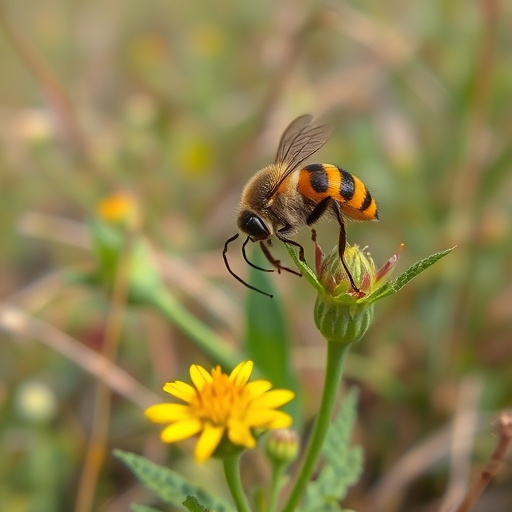
Marana’s unique ecosystem offers a rich resource for those seeking sustainable and natural pest control solutions. Understanding the local environment is key to effective pest management; this approach leverages the balance of flora, fauna, and micro-organisms that naturally occur in the region. For instance, Marana’s diverse plant life includes native species that are less susceptible to pests and diseases, providing a built-in defense mechanism. By fostering an environment conducive to these beneficial organisms, such as ladybugs, lacewings, and spiders, local gardeners can reduce the need for chemical interventions.
The area’s climate also plays a significant role in pest control. Marana’s desert climate, characterized by hot summers and mild winters, presents specific challenges but also offers opportunities. Many pests thrive in warmer temperatures, prompting residents to adopt strategies like regular watering to create less favorable conditions for common invaders like aphids and scale insects. Additionally, understanding the life cycles of local pests allows for targeted interventions; for example, applying organic pesticides during specific stages of pest development can be highly effective without harming beneficial insects.
Local pest control services Tucson naturally often employ physical, biological, and cultural methods to manage garden pests. Physical controls include mechanical devices like hand-picking or traps, while biological methods harness the power of nature through introducing natural predators or using parasitic wasps. Cultural practices, such as proper planting distances and crop rotation, disrupt pest breeding cycles. These holistic approaches not only protect local ecosystems but also contribute to a healthier, more sustainable Marana landscape.
Identification: Common Pests in Marana Gardens
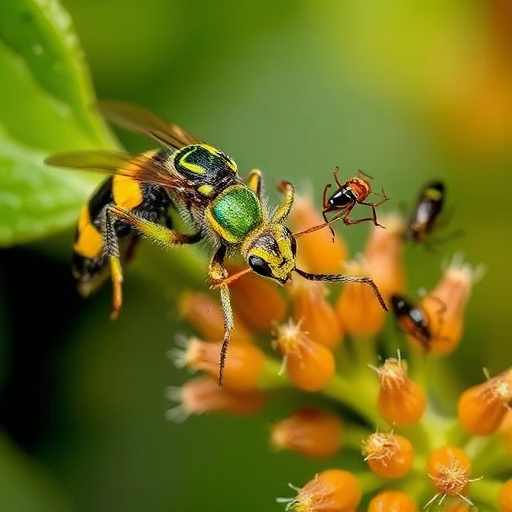
In Marana gardens and landscaping, pest identification is a crucial first step towards effective natural control methods. Common pests such as aphids, spider mites, whiteflies, and scale insects often infest plants, feeding on sap and causing damage that can range from leaf distortion to complete defoliation. These pests are particularly prevalent in warm, dry climates like Marana’s, making them a year-round concern for gardeners. According to the University of Arizona Cooperative Extension Service, proper identification is key, as different pests require distinct control strategies.
Professional pest control services Tucson naturally focus on non-toxic, eco-friendly solutions that target specific pests while minimizing harm to beneficial insects, plants, and the environment. For instance, neem oil, derived from the neem tree, is a popular choice for controlling aphids and whiteflies. Its toxic effects on these pests are safe for use around pets and children. Another natural pest control method involves introducing beneficial insects like ladybugs and lacewings that feed on aphid populations. Homeowners can also encourage natural predators by planting companion plants known to deter specific pests, such as marigolds repelling nematodes and mosquitoes.
Regular monitoring is essential in maintaining a healthy garden ecosystem. Gardeners should inspect plants frequently for signs of pest activity and take proactive measures. Simple solutions like hosing down plants with a strong jet of water can dislodge pests, while organic insecticidal soaps provide a safe alternative to chemical pesticides. The Arizona Cooperative Extension Service recommends integrating these natural methods to create a balanced ecosystem that promotes plant health and reduces reliance on synthetic pest control services. By adopting these practices, Marana residents can enjoy vibrant, healthy gardens without compromising their commitment to environmental sustainability.
Organic Solutions for Effective yet Safe Pest Management
In the pursuit of a harmonious relationship between lush gardens and their environment, Marana residents are increasingly turning to organic solutions for effective yet safe pest management. Tucson, known for its vibrant outdoor spaces, offers a unique challenge due to its diverse climate and array of potential pests. Traditional chemical pest control services, while efficient, can pose risks to local ecosystems and human health. Consequently, embracing natural alternatives is not just an eco-conscious choice but also a practical one.
Organic pest control methods draw from the rich resources of nature, employing biological agents, plant extracts, and cultural practices to manage pests. For instance, introducing beneficial insects like ladybugs and lacewings can effectively control aphid populations without resorting to pesticides. Additionally, neem oil, derived from the neem tree, acts as a natural insecticide and fungicide, making it versatile for various garden needs. Marana’s diverse landscape also allows for physical methods such as handpicking, trapping, and setting up barriers, which can significantly reduce pest infiltration.
Data from local agricultural extension services underscores the effectiveness of organic pest control. Studies have shown that integrated pest management (IPM) strategies, heavily reliant on natural solutions, can reduce chemical usage by up to 50% while maintaining comparable pest suppression levels. This not only minimizes environmental impact but also fosters a more sustainable ecosystem within Marana’s gardens and landscaping. By adopting these organic approaches, residents contribute to the overall health of their communities and play a vital role in preserving Tucson’s natural beauty for future generations.
Implementing and Maintaining Sustainable Pest Control Practices
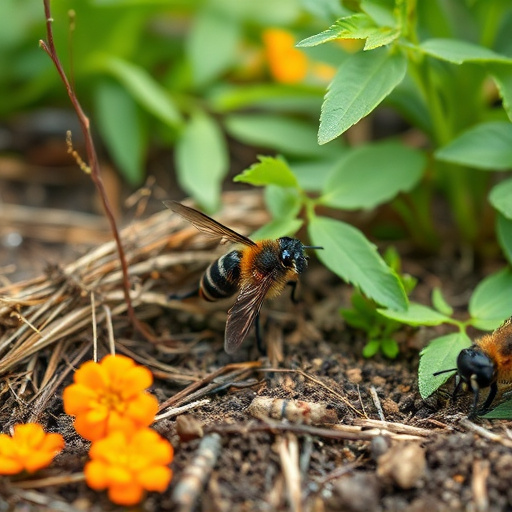
In the pursuit of sustainable gardening practices, Marana residents increasingly turn to natural pest control methods as an alternative to chemical-laden traditional pest control services Tucson commonly offers. This shift is not just a trend but a conscious decision driven by environmental consciousness and a desire to preserve local ecosystems. Effective natural pest control not only minimizes ecological harm but also fosters healthier plants and a more balanced garden ecosystem.
Implementing sustainable pest control practices begins with understanding the intricate web of relationships within the garden. Instead of solely targeting pests, gardeners should focus on attracting beneficial insects like ladybugs and lacewings that feed on pests. Incorporating diverse plant species, including herbs like lavender and mint, can naturally repel common pests due to their strong scents. This multi-layered approach mimics natural predator-prey dynamics, creating a self-regulating garden ecosystem. For instance, marigolds are known to deter nematodes and other soil-borne pests while attracting beneficial insects.
Regular monitoring is paramount in successful natural pest control. Gardeners should learn to identify the signs of pest infestations early on, such as chewed leaves or webbing, to take prompt action. Manual removal, biological agents like predator bugs, and plant-based repellents are powerful tools in a gardener’s arsenal. Organic pesticides derived from ingredients like neem oil or soap can be used sparingly and targetedly when necessary. However, it’s crucial to remember that prevention through habitat management and cultural practices is always more effective than reactive treatment. By fostering a balanced ecosystem, Marana gardeners can minimize pest pressures naturally, ensuring healthier plants and a more sustainable landscape.
By understanding Marana’s unique ecosystem and adopting organic solutions, gardeners can effectively manage pests while preserving the area’s natural balance. Common pests like scorpions, cockroaches, and palmetto bugs require targeted yet safe approaches, such as beneficial insects, plant-based repellents, and cultural practices. Implementing sustainable pest control practices not only protects local wildlife but also ensures a healthier, more resilient garden ecosystem. For those seeking professional guidance, Tucson’s natural pest control services can offer tailored solutions that respect the environment while delivering effective results. This comprehensive approach to pest management empowers Marana residents to become stewards of their green spaces, fostering a harmonious coexistence with nature.