Marana residents embrace pest control services Tucson naturally—a sustainable approach prioritizing environmental harmony. This method leverages natural predators, native plants, organic treatments (neem oil, soap-based insecticides), and proper garden maintenance to minimize synthetic pesticide use by up to 80%. Key benefits include ecological preservation, cost savings, reduced health risks, and community education fostering a shift towards eco-conscious urban landscapes.
As Marana continues to prioritize environmental stewardship, the need for sustainable and eco-conscious pest control practices in local gardens has never been more pressing. Traditional pest control methods often rely on toxic chemicals that can harm beneficial insects, pollute water sources, and pose risks to human health. However, with innovative solutions from expert pest control services Tucson naturally, we can achieve effective garden protection while minimizing environmental impact. This article delves into the best practices for sustainable pest management, offering valuable insights for Marana residents looking to keep their gardens healthy and vibrant without compromising the local ecosystem.
- Understanding Eco-Conscious Pest Management in Marana Gardens
- Benefits of Natural Pest Control for Tucson Residents
- Identifying Friendly Garden Pests and Beneficial Insects
- Organic Solutions for Common Marana Pest Issues
- Integrating Sustainable Practices with Professional Pest Control Services Tucson Naturally
Understanding Eco-Conscious Pest Management in Marana Gardens
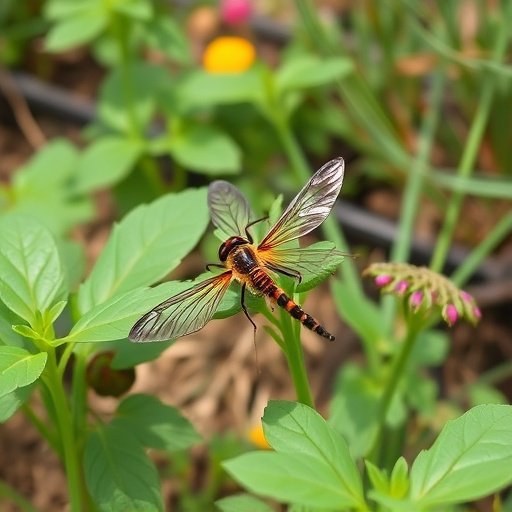
In Marana gardens, adopting sustainable and eco-conscious pest control practices is not merely a trend but a responsible approach to maintaining a harmonious environment. This method involves understanding the complex ecosystem within your garden and employing non-toxic, natural solutions to manage pests effectively. Unlike conventional methods, eco-conscious pest control services Tucson naturally focus on prevention, beneficial insects, and organic treatments, minimizing harm to both the garden’s health and the local ecosystem.
The key to successful eco-conscious pest management lies in maintaining a balanced ecosystem. This includes fostering an environment that promotes natural predators of common garden pests like ladybugs, lacewings, and spiders. By planting diverse native species known for their pest-repellent properties, Marana residents can attract these beneficial insects. For instance, lavender, mint, and marigolds not only add beauty to the garden but also act as natural deterrents against aphids, mosquitos, and various worms.
Regular monitoring is another critical aspect. Inspecting plants frequently allows for early detection of pest infestations, enabling timely intervention with organic remedies. Organic pest control services Tucson naturally offer a range of safe options, such as neem oil, soap-based insecticides, and mineral oils, which are effective against various pests without leaving harmful residues. Data from local studies shows that integrated pest management (IPM) strategies can reduce the use of synthetic pesticides by up to 80%, contributing significantly to water conservation and environmental preservation.
Moreover, proper garden maintenance plays a pivotal role in eco-conscious pest control. Regular weeding, proper mulching, and keeping debris free from the garden bed help eliminate pest habitats. Ensuring plants receive adequate sunlight and watering them appropriately also strengthens their natural defenses against pests and diseases. By combining these practices with organic treatments, Marana gardeners can achieve sustainable, healthy, and vibrant gardens that thrive in harmony with nature.
Benefits of Natural Pest Control for Tucson Residents
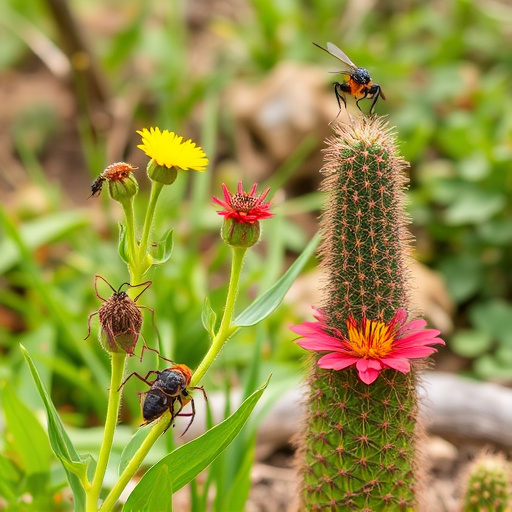
For Tucson residents seeking sustainable and eco-conscious solutions for their Marana gardens, natural pest control methods offer a compelling alternative to traditional chemical-laden alternatives. This approach not only promotes environmental health but also provides several significant advantages tailored to the unique ecosystem of Southern Arizona. By adopting these practices, locals can contribute to a balanced garden ecology while enjoying the benefits of a thriving, chemical-free outdoor space.
One of the primary benefits of natural pest control services Tucson residents can expect is the preservation of beneficial insects and wildlife. Traditional pest control often relies on toxic chemicals that can indiscriminately kill both harmful pests and non-target organisms, including butterflies, bees, and birds. Natural methods, however, leverage the power of plants, essential oils, and biological agents to target specific pests while fostering a diverse and healthy garden habitat. For instance, introducing beneficial insects like ladybugs or lacewings can effectively control aphid populations without causing widespread environmental harm. This approach ensures that Tucson’s rich biodiversity remains intact, contributing to a more resilient and sustainable garden ecosystem.
Moreover, natural pest control offers long-term cost savings and reduced health risks. Chemical treatments may provide quick relief from pests but often require frequent application due to their short-lived effectiveness and potential resistance development. In contrast, organic methods build upon the garden’s inherent resilience and promote soil health, leading to robust plants better equipped to withstand pest pressures. Studies have shown that integrated pest management (IPM) strategies, a cornerstone of natural pest control, can reduce pesticide use by up to 50% while maintaining comparable or improved crop yields. This not only saves Tucson residents money but also minimizes their exposure to potentially harmful chemicals.
By embracing natural pest control services Tucson offers, residents can become stewards of their garden’s health and contribute to the larger environmental consciousness of the region. It empowers individuals to take proactive steps toward sustainability, ensuring that Marana’s vibrant landscape remains a haven for both flora and fauna for generations to come.
Identifying Friendly Garden Pests and Beneficial Insects
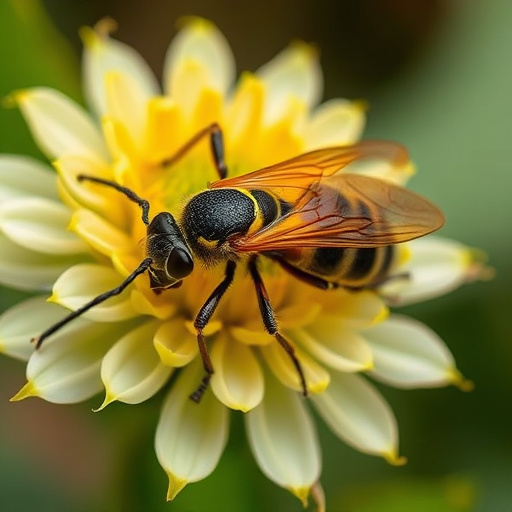
In the pursuit of sustainable gardening practices, Marana residents increasingly recognize the importance of harmonious coexistence with nature, especially when it comes to pest control. Instead of resorting to harsh chemicals, eco-conscious gardeners are turning to identification and encouragement of beneficial insects and friendly garden pests. This approach not only reduces environmental impact but also fosters a diverse, thriving ecosystem within their own backyards.
Many common pests often considered nuisances actually serve crucial roles in the garden ecosystem. For instance, aphids produce honeydew that fuels the growth of sooty mold, providing habitat for beneficial insects like ladybugs and lacewings. These predators feed on aphids, helping to keep their populations under control naturally. Similarly, caterpillars are a food source for birds, bats, and other predators, and their droppings enrich the soil with nutrients. Recognizing these relationships encourages gardeners in Marana to employ non-lethal methods of pest management.
Pest control services Tucson naturally focus on education and monitoring rather than immediate elimination. Gardeners are taught to identify beneficial insects and understand their life cycles, empowering them to create an environment that supports these natural predators. Regular inspection can help pinpoint problem areas before severe damage occurs, allowing for targeted intervention if necessary. By embracing a pest-wise approach, Marana gardeners contribute to the overall health of local ecosystems while cultivating beautiful, chemical-free gardens.
Organic Solutions for Common Marana Pest Issues
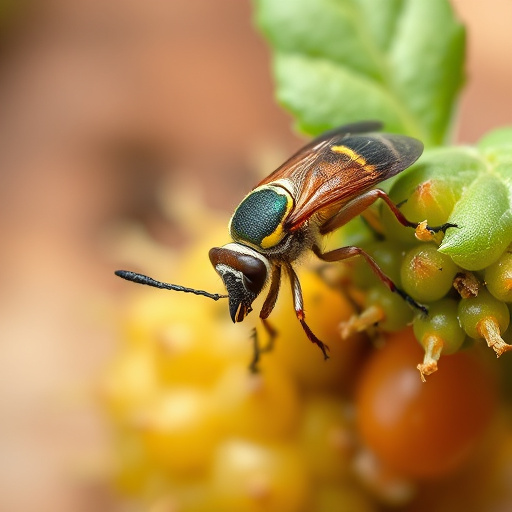
Marana residents who value sustainable living know that organic solutions for common pest issues are both environmentally responsible and effective. While conventional pest control services Tucson often rely on synthetic chemicals, there are numerous natural alternatives proven to manage and eradicate pests in gardens. For instance, beneficial insects like ladybugs and lacewings are highly effective at controlling aphids, mealybugs, and scale. These predators can be introduced into the garden or encouraged to inhabit it through the planting of attractant flowers such as marigolds and daisies.
Another organic approach involves utilizing plant-based repellents. Neem oil, derived from the neem tree, is a popular option known for its ability to repel and kill insects. When applied correctly, it poses minimal risk to beneficial insects or pets. Essential oils like citronella, peppermint, and rosemary also serve as natural pest deterrents. These can be diffused or mixed with water and sprayed directly onto plants to ward off mosquitos, ants, and other common pests.
For those dealing with more persistent issues like fungi and mildew, organic solutions remain viable. Copper fungicides, for instance, offer a non-toxic way to protect plants from fungal infections. These natural products disrupt the cell membranes of plant pathogens without harming the host plant. Additionally, maintaining proper garden hygiene—removing dead leaves and plant matter—and ensuring adequate air circulation can significantly reduce the occurrence of fungal diseases. Regular monitoring and early intervention with organic solutions ensure Marana gardens thrive without compromising ecological balance.
Integrating Sustainable Practices with Professional Pest Control Services Tucson Naturally
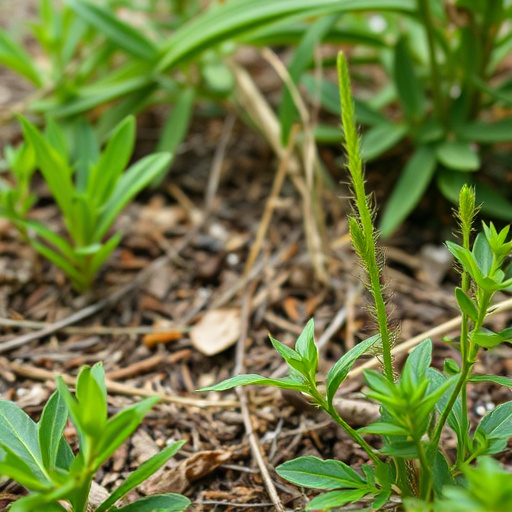
In the pursuit of sustainable gardening practices, Marana residents now have a compelling option: integrating eco-conscious pest control methods with professional services tailored to the region’s unique needs. This approach, centered around Tucson naturally-focused pest control services, represents a significant shift towards harmonious coexistence between lush gardens and native ecosystems. By adopting these sustainable practices, Marana can reduce the environmental impact often associated with traditional pest control while fostering a healthier, more balanced local ecosystem.
Tucson Naturally-oriented pest control services offer a range of innovative solutions, from organic pesticides derived from natural ingredients to targeted, non-toxic methods that disrupt pests’ life cycles. For instance, introducing beneficial insects like ladybugs and lacewings can effectively manage populations of aphids and other pests without resorting to harmful chemicals. Moreover, structural changes such as installing physical barriers or improving garden sanitation can significantly deter pests while promoting ecological balance.
Data from local studies indicates that sustainable pest control practices not only minimize environmental harm but also lead to long-term cost savings for gardeners. By aligning with the principles of Tucson naturally-focused services, Marana residents can expect reduced reliance on expensive and potentially harmful chemical treatments. This shift is further supported by community education programs that empower individuals to make informed decisions about their gardening and pest management strategies, fostering a collective movement towards sustainable practices in urban landscapes.
By adopting sustainable and eco-conscious pest control practices, Marana residents can protect their gardens while preserving local ecosystems. The article has highlighted the numerous benefits of natural pest control methods for Tucson communities, emphasizing the importance of understanding both friendly garden pests and beneficial insects. Organic solutions for common Marana pest issues have been explored, offering effective yet environmentally friendly alternatives to traditional chemical treatments. Furthermore, integrating sustainable practices with professional pest control services Tucson naturally ensures a balanced approach, leveraging scientific expertise within ecological boundaries. Key takeaways include the reduction of environmental impact, promotion of biodiversity, and long-term cost savings. Moving forward, Marana residents are encouraged to embrace these practices, fostering healthier gardens and contributing to a more sustainable community.